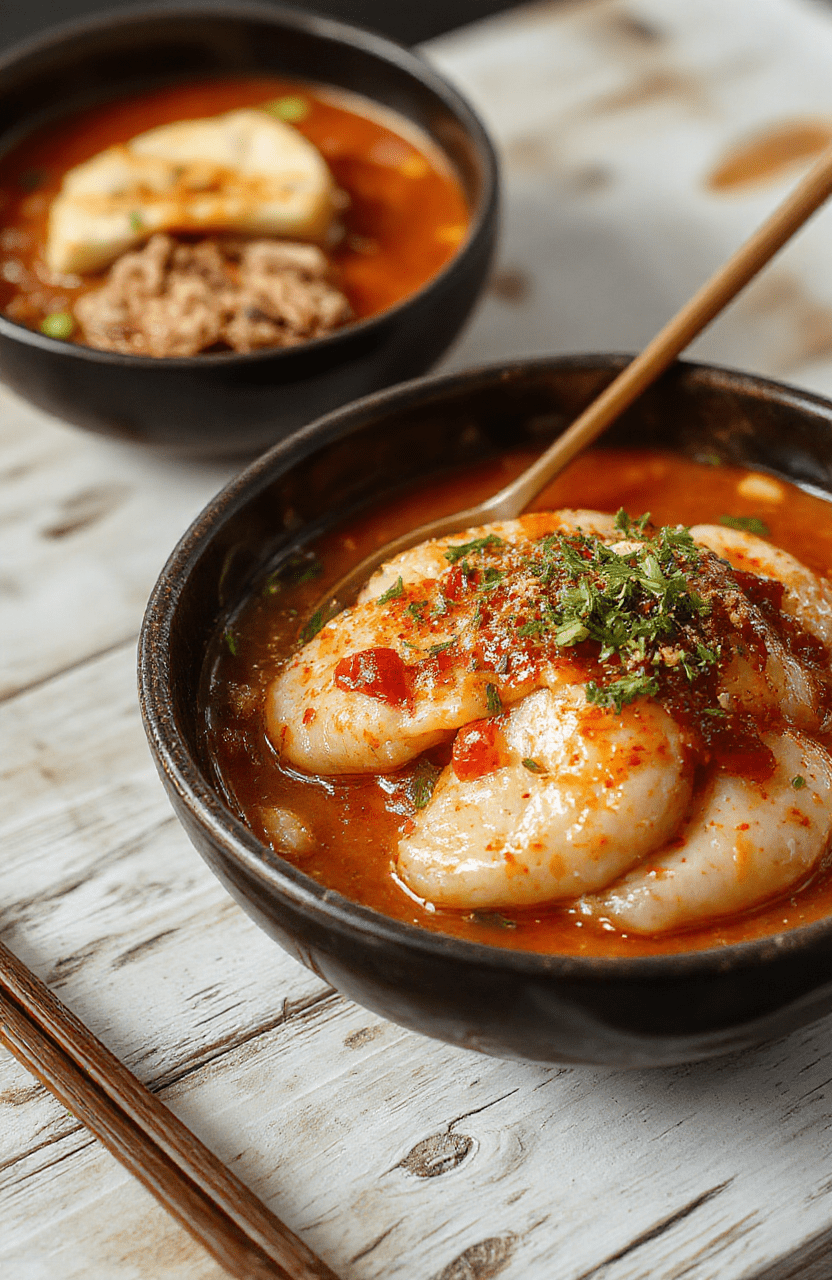
🌶️ Spicy Gochujang Udon Noodles: A Bold, Umami-Rich Bowl in Under 20 Minutes
1. Introduction
If you’ve ever craved that perfect balance of spicy, sweet, and deeply savory—just like a midnight ramen shop dream—then gochujang udon noodles are your new go-to. This quick Asian noodles dish layers rich fermentedheat from authentic gochujang paste with chewy, thick udon for something truly satisfying. It’s comfort food with an edge, and it comes together faster than your average takeout order. I’ve made this same bowl over 30 times in the last year—not because I’m obsessive, but because even my Korean friends smile when they taste it. Let’s get cooking!
2. Why You’ll Love This Recipe
- Ready in under 20 minutes—perfect for weeknights or lazy weekends
- One-pan simplicity: minimal cleanup, maximum flavor
- Balanced heat: adjust the gochujang to suit your spice tolerance
- Naturally vegan-friendly (if using tofu or omitting egg)
- Delicious leftovers, or repurpose into a bowl with roasted veggies
3. Ingredient Notes
The magic here is in the quality of a few key components—don’t skip these!
Gochujang is a Korean fermented chili paste made from red chilies, glutinous rice, fermented soybeans, and salt. It’s not just “spicy”—it’s umami-deep, slightly sweet, and funky in the best way. Look for premium brands like Sun-Woo or Royal Garden, and check for minimal added sugars or preservatives.
Udon noodles should be thick and chewy—Fresh, dried, or frozen all work, but frozen udon holds up best in stir-fries. If you can’t find udon, whole wheat spaghetti or thick rice noodles make great substitutes, though texture will differ.
Sesame oil is non-negotiable for that signature nutty aroma. I always use toasted sesame oil (the dark, rich kind) in the sauce, and light sesame oil for Stir-Frying. Don’t confuse the two—they behave very differently in a pan!
Tofu or chicken? I’m a firm believer in texture contrast. Silken tofu gets pan-fried until golden and crisp-edged, while sliced chicken thighs stay tender and juicy. Either way, marinate it in a splash of soy sauce and garlic for 10 minutes before cooking.
4. Kitchen Tools You Need
You don’t need fancy gadgets—but a few smart tools really elevate speed and precision:
The Compact 6-in-1 Digital Air Fryer by Amazon Basics is perfect for crisping tofu or veggie toppings without oil splatter—and it preheats in 3 minutes, much faster than my oven. The T-fal 14-Piece Hard Anodized Nonstick Cookware Set includes a deep, warping-resistant skillet ideal for one-pan meals like this. I use mine daily for gochujang noodles and never have sticky residue issues.
Need to meal-prep noodles in advance? The Philips 7000 Series Pasta Maker with 8 Shaping Discs lets you make your own udon noodles from scratch (yes, really!)—and gives you control over thickness for that signature chew.
For clean-up ease, grab the JoyJolt Airtight Glass Food Storage Set to store leftover sauce or chilled noodles. Glass prevents odor transfer from strong ingredients like garlic and gochujang, and the airtight seals keep things fresh up to 4 days.
5. How to Make Spicy Gochujang Udon Noodles
Prep & Pan-Fry Your Protein (5 minutes)
Start by dicing firm tofu into ¾-inch cubes or slicing chicken into bite-sized strips. Season with 1 tsp soy sauce, ½ tsp sesame oil, and a pinch of garlic powder. Heat 1 tbsp neutral oil (like avocado or grapeseed) in a large nonstick skillet or wok over medium-high heat. Add蛋白 or tofu in a single layer and cook undisturbed for 2–3 minutes until golden, then stir-fry for another 2 minutes until fully cooked through. Transfer to a plate—don’t wipe out the pan!
Whisk the Gochujang Sauce (2 minutes)
In a small bowl, combine 2 tbsp gochujang, 1 tbsp soy sauce (or tamari for gluten-free), 1 tbsp mirin or honey, 1 tsp sesame oil, 1 tsp rice vinegar, and 1 clove minced garlic. Whisk until smooth—no lumps! Adjust heat level by adding more gochujang or a pinch of sugar if it’s too intense.
Cook Noodles & Sauté Aromatics (5 minutes)
Bring a pot of salted water to a boil. Cook udon noodles according to package directions (usually 2–3 minutes for frozen, 5–6 for dried). Drain and rinse *quickly* under cold water to stop cooking and remove surface starch—this prevents clumping.
In the same skillet used for protein, add 1 tsp oil over medium heat. Toss in sliced mushrooms, bell peppers, or bok choy and sauté for 2–3 minutes until just tender-crisp. Add 1 minced garlic clove and ½ tsp grated ginger and stir 30 seconds until fragrant.
Combine Everything (3 minutes)
Reduce heat to low. Pour the gochujang sauce into the skillet and stir to coat the veggies. Add cooked, drained udon and toss gently—just 2–3 stir-fries until the noodles are evenly glazed and heated through. Add back your protein and toss again. The sauce will thicken as it cools slightly; that’s the magic of gochujang’s starches activating.
Plate and top with green onions, sesame seeds, or a soft-boiled egg if using. I love adding a squeeze of lime for brightness!
6. Expert Tips for Success
Here’s what separates a “good” version from a *great* one:
- Don’t overcook the noodles. They’ll continue to absorb sauce while sitting—aim for al dente when draining.
- Puree the saucewell. Gochujang separates easily. A quick blend with a fork or immersion blender ensures even coating.
- Use room-temperature ingredients. Cold tofu or fridge-chilled sauce can shock the pan and lower the sear temperature—resulting in steamed, not glazed, noodles.
- Save some noodles water! A splash of starchy cooking water can loosen the sauce if it gets too thick—like Restaurant-style slickness.
7. Variations & Substitutions
Gluten-Free: Use tamari instead of soy sauce, and ensure udon is labeled GF (some are wheat-free rice noodles).
Vegan/Vegetarian: Swap protein for tempeh, seitan, or crispy chickpeas. Add snow peas, bok choy, or shredded cabbage for crunch.
Lower-Sodium: Reduce soy sauce to ½ tbsp and boost flavor with extra ginger, lime zest, or a splash of rice vinegar.
Extra Protein: Stir in 1 tbsp edamame or ¼ cup cooked lentils at the end.
8. Storage & Reheating
Store leftovers in an airtight container in the fridge for up to 3 days. Noodles will absorb more sauce over time—so add a splash of water or broth when reheating. Best reheated in a skillet over medium heat with a lid on for 2–3 minutes, stirring often, to revive texture. Microwaving works too, but cover with a damp paper towel to prevent drying out.
9. FAQ
Can I make gochujang udon noodles ahead? Yes—cook noodles al dente, prep the sauce, and store both separately for up to 2 days. Combine and reheat as needed.
Is gochujang too spicy for kids? Mix 1 part gochujang with 2 parts honey or coconut aminos, or use just ½ tbsp per serving to mellow heat while kept umami depth.
What if I don’t have mirin? Substitute with 1½ tsp dry white wine + ¼ tsp sugar, or just a splash of apple juice.
Can I bake this instead of stir-fry? I recommend pan-searing for best texture—but you can toss everything (except noodles) on a sheet pan and roast at 425°F for 12 minutes, then fold in cooked udon.
10. Conclusion
This gochujang udon noodles recipe brings bold, fermented heat and comforting chew into one incredibly fast meal. It’s adaptable, deeply flavorful, and ready faster than delivery—plus, it pairs beautifully with any of my other quick Asian-inspired meals. Craving something lighter? Try the Fresh Mediterranean Steak Bowl next. Need a sweet finish? The Bakery-Style Chocolate Walnut Cookies will hit that spot. But for now—go ahead, stir that sauce, smell the toasted sesame, and devour.
Print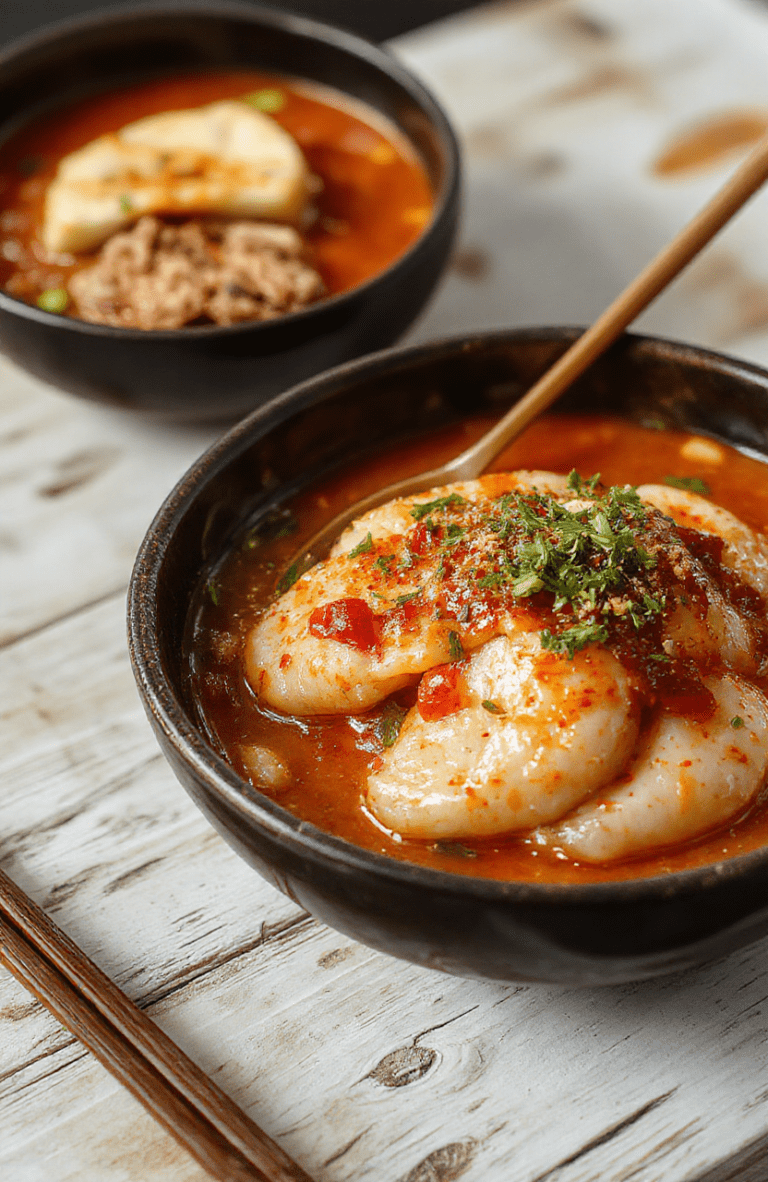
Spicy Gochujang Udon Noodles
Quick, spicy, and deeply flavorful, this gochujang udon recipe comes together in just 15 minutes and requires minimal ingredients for maximum impact.
- Total Time: 15 minutes
- Yield: 2 servings 1x
Ingredients
- 8 oz dried udon noodles
- 2 tbsp gochujang paste
- 1 tbsp soy sauce
- 1 tbsp honey or maple syrup (for vegan)
- 1 tbsp sesame oil
- 2 cloves garlic, minced
- 1 tsp fresh ginger, grated
- 2 tbsp water
- 1 tbsp vegetable oil
- Sesame seeds and sliced green onions for garnish
- Sliced jalapeño (optional)
Instructions
- Boil udon noodles according to package instructions; drain and set aside.
- In a small bowl, whisk together gochujang, soy sauce, honey, garlic, ginger, and water.
- Heat sesame oil and vegetable oil in a large skillet over medium heat. Sauté garlic and ginger for 30 seconds until fragrant.
- Pour in the gochujang sauce and simmer for 1–2 minutes until slightly thickened.
- Add cooked noodles and toss until evenly coated.
- Serve immediately, garnished with sesame seeds, green onions, and jalapeño.
Notes
- For extra protein, add cubed tofu or sliced chicken.
- Adjust spice level by adding more or less gochujang.
- Use tamari for gluten-free option.
- Prep Time: 5 minutes
- Cook Time: 10 minutes
- Method: Stovetop
- Cuisine: Korean
- Diet: Vegetarian
Nutrition
- Serving Size: 1 bowl
- Calories: 380 Kcal
- Sugar: 12g
- Sodium: 620mg
- Fat: 10g
- Saturated Fat: 2g
- Unsaturated Fat: 7g
- Trans Fat: 0g
- Carbohydrates: 68g
- Fiber: 3g
- Protein: 11g
- Cholesterol: 0mg