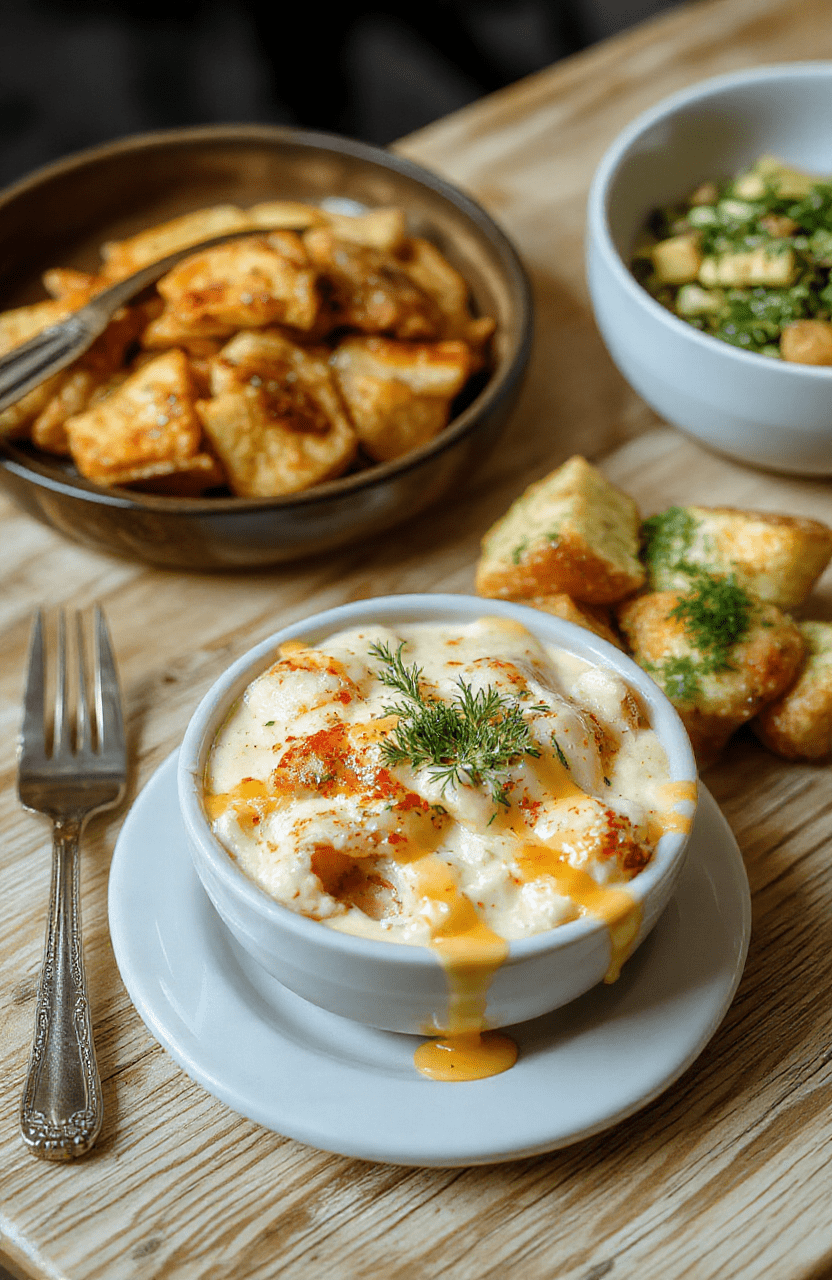
🌙 30 Soothing & Safe GERD-Friendly Dinners for Peaceful Nights (No Heartburn, All Flavor!)
1. Introduction
Toss the antacids before dinner—your stomach will thank you. These acid reflux diet dinner ideas are crafted with care, compassion, and clinical wisdom: low-acid, low-fat, and rich in nutrients that support gut harmony. I’ve spent years refining this approach after dealing with my own post-meal discomfort, and now my family enjoys meals that are both comforting and conscience-free. From creamy oat bowls to gently roasted vegetables and lean proteins, every dish is designed to calm irritation instead of trigger it. These GERD-friendly dinner recipes are gentle on the esophagus while still delivering bold, satisfying flavors you’ll actually crave.
2. Why You’ll Love This Recipe
- Safe for sensitive stomachs — All recipes follow current acid reflux diet guidelines (low-fat, non-citrus, no spicy triggers)
- Ready in 30 minutes or less — Designed for busy weeknights with minimal cleanup
- No expensive or hard-to-find ingredients — Pantry staples and fridge essentials
- Meal-prep friendly — Many dinners reheat beautifully for lunch or future nights
- Packed with gut-soothing foods — Oats, ginger, fennel, bananas, melons, and non-acidic vegetables
3. Ingredient Notes
Every ingredient here is chosen for its functional benefit—not just flavor. For example:
Oats aren’t just a carb—they form a protective mucilage layer over the stomach lining. Use certified gluten-free oats if sensitivities are concurrent. Choose unsweetened oat milk over almond or soy (which can be inflammatory for some).
Ginger and fennel are gentle anti-inflammatories that actually aid digestion. Fresh is best, but frozen works in a pinch—just thaw and squeeze gently to release oils.
Lean proteins like skinless chicken breast or cod should be cooked at low-and-slow temperatures to minimize fat exposure. I always pat them dry before seasoning—this helps them sear without overcooking or splattering.
Veggie oils like light olive oil or avocado oil are preferred over heavier, more acidic fats like butter or cream (which can relax the lower esophageal sphincter). Small amounts of low-acid almond or oat-based creamy sauces add richness without triggering symptoms.
4. Kitchen Tools You Need
Using the right tools makes all the difference when cooking for sensitive digestion. Here are my top picks tested over years of soothing dish creation:
The Compact 6-in-1 Digital Air Fryer by Amazon Basics is a lifesaver for crispy textures without oil overload—it delivers golden-brown chicken without splatter or heavy fat.
If you love one-pot meals, the T-fal 14-Piece Hard Anodized Nonstick Cookware Set ensures even heating, no hot spots, and worry-free scrubbing—especially important when preparing delicate grains or sauces.
The Ninja Foodi Smart XL Indoor Grill & Air Fryer Combo is perfect for giving lean proteins a smoky char without triggering acid. Its steam-cook function helps retain moisture in fish and veggies without added fat.
For batches of warm, gut-friendly porridge or soups, a Crock-Pot Family-Size Slow Cooker keeps meals simmering low and slow—ideal for bone broth or mild bean stews.
Looking to prep ingredients quickly? The Fullstar Ultimate Veggie Prep Master saves wrist strain and makes chopping ginger, garlic, and mild bell peppers a breeze—no tears, minimal odor.
Don’t overlook proper storage: JoyJolt Airtight Glass Food Storage Set keeps leftovers fresh and free of odor transfer—important when reheating ginger or turmeric-based dishes.
5. How to Make Your Soothing GERD-Friendly Dinners
Now, let’s walk through how to craft balanced, acid-safe dinners—no guesswork, just step-by-step confidence.
Phase 1: Prep Smart (10 minutes)
Always begin by prepping your space and ingredients before turning heat on. Chop carrots, zucchini, and fennel into uniform ¼-inch slices so they cook evenly. Mince ginger finely or use a microplane for maximum benefit with minimal volume. If using canned beans, rinse thoroughly to remove sodium residue.
Phase 2: Sear & Steam (5–7 minutes)
Sear lean chicken or tofu in an air fryer or nonstick pan with 1 tsp light olive oil at medium-low. Flip only once—look for a pale golden hue, not deep browning (high heat can create inflammatory compounds). When finished, transfer to a plate, and add a splash of low-sodium vegetable broth to deglaze—stirring gently to capture those flavorful, non-irritating bits.
Phase 3: Simmer with Care (10–12 minutes)
Build your base with sautéed leeks (not onions—too acidic), garlic (2 cloves max per serving), and grated carrots. Add broth and a pinch of baking soda (yes, really—it neutralizes acidity and speeds softening). Then stir in cooked grains (white rice or oat groats are safest) or mashed sweet potatoes (a gentle, alkaline starch).
Phase 4: Final Touches (2–3 minutes)
Return your protein to the pot, then stir in wilted spinach or Steamed kale (just 1 minute!). Finish with a drizzle of fennel frond oil (steep fresh fronds in warm oil 5 minutes, then strain) or a pinch of roasted cumin powder—both add depth without acid.
6. Expert Tips for Success
- Wait 3+ hours between dinner and bedtime to allow full gastric emptying—this is non-negotiable for reflux management.
- Avoid mint in savory dishes—peppermint or spearmint may relax the LES and worsen symptoms for many.
- Cook all raw garlic or onions for at least 3 minutes—raw forms are far more likely to trigger discomfort.
- Use cold-pressed oils sparingly (1 tsp per serving max), even “healthy” ones can be problematic when consumed in excess.
- Let food cool slightly before eating—eating very hot meals can irritate already-sensitive tissues.
- Chew slowly & stop at 80% fullness—overeating is one of the most common reflux triggers.
7. Variations & Substitutions
Adapting these soothing dinner recipes is easy and empowering:
- For gluten sensitivity:_swap wheat-based pasta for rice noodles or quinoa pasta, and use tamari instead of soy sauce.
- For vegan/vegetarian: replace chicken with extra-firm tofu (pressed 15 mins), tempeh, or white beans—just ensure they’re rinsed well.
- For nightshade sensitivity: skip tomatoes entirely; use roasted carrots + fennel for sweetness, and nutritional yeast for umami depth.
- For nut allergies: omit almond milk; use oat, coconut (low-acid), or oat blend creamers instead.
- For extra fiber: add small amounts of psyllium husk (½ tsp) to sauces or oat bowls—gradually increase to let your gut adjust.
8. Storage & Reheating
All dinners keep well for 3–4 days in the fridge in JoyJolt Airtight Glass Food Storage Set containers. Reheat gently: microwave on medium (50% power) for 1–2 minutes, stirring halfway—or warm gently on the stove over low heat with a splash of broth to prevent drying.
Freeze portions in muffin tins first (for quick removal), then transfer to labeled freezer bags. Thaw overnight in the fridge and reheat as above.
9. FAQ
Q: Is coffee ever okay on an acid reflux diet?
A: Generally, no—even low-acid coffee can be a trigger. Try herbal roots like dandelion or chicory for warmth and depth. For a gentle caffeine fix, consider the Breville Nespresso Vertuo Creatista with oat milk and a pinch of cinnamon.
Q: Can I have Greek yogurt on this diet?
A: Full-fat, plain Greek yogurt may soothe some people—but its acidity irritates others. Try low-fat, unsweetened skyr or coconut yogurt instead, and only in small portions after eating.
Q: What’s the safest grain for overnight digestion?
A: White rice is lowest in FODMAPs and gentlest for most. Oat groats (not instant oats) are a close second if well tolerated.
Q: Do I need to avoid tomatoes completely?
A: Yes—especially raw. Evencooked tomatoes retain citric and malic acids. Use roasted red peppers (blanched and deseeded) or carrots + fennel for sweetness instead.
10. Conclusion
Eating for comfort doesn’t mean sacrificing satisfaction. With these 30+ gentle, researched, and joy-filled GERD-friendly dinner ideas, you can reclaim mealtime—and your peace of mind. Every dish is a step toward balance, not restriction. I hope you’ll return for more soothing inspiration, like my refreshing peach lemonade (made with low-acid fruit) or my steak bowl (with low-sulfur veggies).
Share what dishes worked for you, or save this page for later—because you deserve meals that feel good, inside and out. 🌿
Print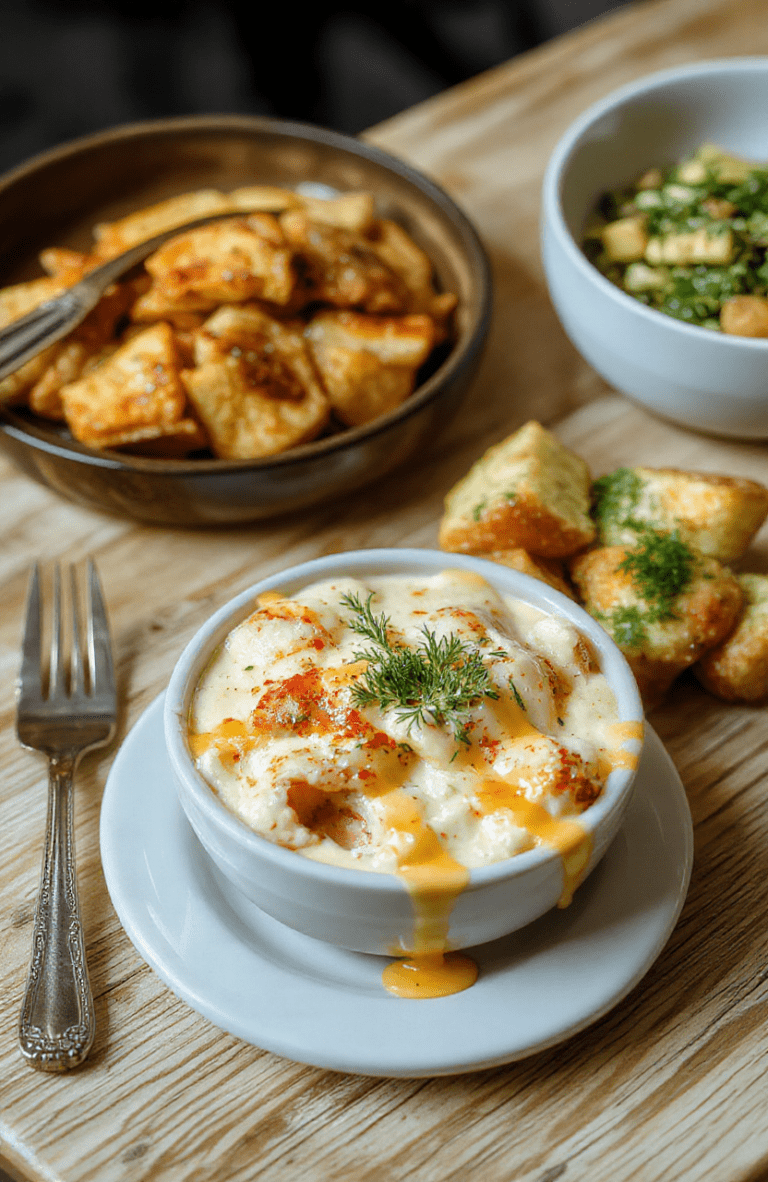
Gentle Acid Reflux Dinners: 30Easy Relief-Focused Weeknight Meals
Collection of 30 acid reflux-friendly dinners that are easy, nourishing, and satisfying—focus on low-acid, low-fat, non-spicy ingredients with anti-inflammatory benefits.
- Total Time: 40 minutes
- Yield: 4 servings 1x
Ingredients
- 1 lb salmon fillet, skin-on
- 2 cups pearl barley, cooked
- 3 medium carrots, sliced
- 1 tbsp olive oil
- 1 tsp ground turmeric
- ½ tsp grated fresh ginger
- Zest of ½ lemon (no juice)
- Fresh parsley, chopped
- Sea salt to taste
- Black pepper, freshly ground
Instructions
- Preheat oven to 400°F (200°C).
- On a baking sheet, toss carrots with ½ tbsp olive oil, turmeric, and ginger; roast for 20 mins.
- In a bowl, gently coat salmon with remaining oil, lemon zest, salt, and pepper.
- Place salmon on the baking sheet beside carrots; roast 12–14 mins until flaky.
- Serve salmon and carrots over cooked pearl barley; garnish with parsley.
Notes
- Use skin-on salmon for natural moisture and less added fat.
- Lemon zest adds bright flavor without triggering acid reflux—avoid lemon juice.
- Barley provides soluble fiber to support digestion, but quinoa or rice may be substituted for gluten-sensitive diets.
- Prep Time: 10 minutes
- Cook Time: 30 minutes
- Method: Baking
- Cuisine: American
- Diet: Non-spicy, Low-acid, Gluten-containing (barley), Gluten-free option
Nutrition
- Serving Size: 1 serving
- Calories: 412 Kcal
- Sugar: 5g
- Sodium: 285mg
- Fat: 21g
- Saturated Fat: 4g
- Unsaturated Fat: 14g
- Trans Fat: 0g
- Carbohydrates: 38g
- Fiber: 7g
- Protein: 31g
- Cholesterol: 88mg