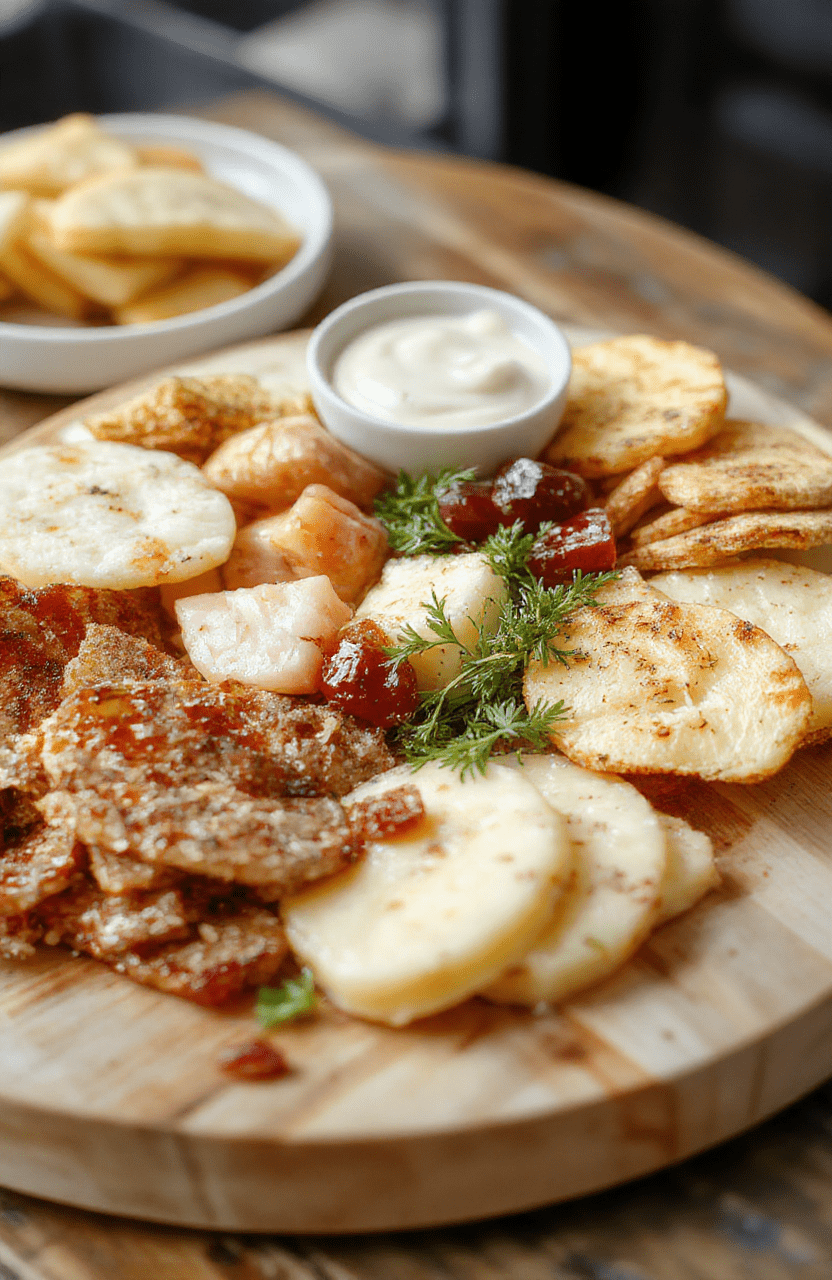
✨ The Effortless Beginner Charcuterie Board: A Rustic, Crowd-Pleasing Masterpiece in 15 Minutes
1. Introduction
Imagine a beautiful, overflowing board of artfully arranged meats, cheeses, fruits, and crunchy accompaniments—ready to wow your guests before the main course arrives. This beginner charcuterie board is designed for absolute first-timers: no culinary school required, no fancy tools needed, and absolutely zero stress. I’ve hosted everything from cozy winter gatherings to lively backyard barbecues, and this no-fuss party appetizer has never let me down. It’s colorful, satisfying, and endlessly customizable—plus, it lets you sip wine while your guests admired your “obvious” expertise. Let’s make your next gathering feel like a celebration, not a chore.
2. Why You’ll Love This Recipe
- Ready in 15 minutes—perfect for last-minute guests or a quick pre-dinner bite.
- One-countertop wonder—no oven, stove, or复杂 plating needed.
- Infinitely flexible—swap, add, or omit ingredients based on dietary needs or budget.
- Visually stunning—bright colors, textures, and layers draw people in instantly.
- Great for mingling—guests love building their own combos and sharing bites.
3. Ingredient Notes
Great charcuterie isn’t about rarity—it’s about balance and quality. Even as a beginner charcuterie board, you’ll want contrast in texture, salt, sweetness, and acidity. Here’s what I recommend and why:
- Cheeses: Choose three for optimal appeal: one soft (Brie or Camembert), one semi-hard (Manchego or aged Gouda), and one bold (blue cheese like Gorgonzola or a sharp cheddar). Avoid pre-shredded cheese—it contains anti-caking agents that dull flavor and texture.
- Meats: Aim for 2–3 varieties. Prosciutto (thinly sliced, delicate, salty), genoa salami (earthy and firm), and a sweet option like honey-cured ham or coppa.folded, rolled, or draped for visual interest.
- Fruits: Fresh grapes (seedless or seeded—people love popping them whole!), sliced apples or pears (toss in lemon water to prevent browning), and dried figs or apricots for chewy sweetness.
- Crispy Bits: Toasted nuts (almonds, walnuts) and crisp crackers (like Waterford crisps, wheat thins, or gluten-free rice crackers). I always add a small jar of cornichons or brined olives for tang—a tiny pickle cuts through rich cheese like magic.
- Extras: A smear of honey, especially with aged cheeses, is *non-negotiable*. Fig jam or spicy pepper jelly adds depth, and a dusting of flaky sea salt over fresh fruit elevates the whole board.
4. Kitchen Tools You Need
Truth be told, you probably already have what you need—but having the right tools makes the process smoother, faster, and visually stunning. My top picks (all curated for beginners and pros alike):
- A large board or slab: Bamboo, walnut, or marble—any flat surface that feels honest and inviting. Avoid plastic (looks cheap) or overly small trays. I keep a reclaimed oak board from a local woodworker, but this JoyJolt Airtight Glass Food Storage Set doubles beautifully as a serving tray when inverted!
- Small bowls or ramekins: For jams, olives, and nuts—keeps things tidy and prevents cross-contamination. Use tiny jars from your pantry for instant charm.
- Sharp knives and cheese knives: A paring knife for slicing fruit, a bread knife for crackers, and dedicated cheese knives (some with fork tips) make setup a breeze. If you don’t have a cheese knife, just use a small, clean butter knife—it works in a pinch.
- Small spoons or spatulas: For spreading honey or jam without getting fingers messy. For effortless jam spreading, this Deluxe 33-Piece Silicone Utensil Set includes flexible spatulas that scrape every last drop from jars.
- Cleaning essentials: Keep a damp towel nearby for quick wipe-downs—no one wants a messy board mid-serve. And when the party’s done, store leftovers in airtight containers like this JoyJolt Glass Food Storage Set for later snacking.
5. How to Make [Beginner Charcuterie Board]
Phase 1: Assemble Ingredients & Set the Stage (5 minutes)
Take your cheeses out of the fridge 20–30 minutes before serving—cold cheese is flavorless! Slice apples and pears, toss in a squeeze of lemon juice, and drain the cornichons and olives. Unroll salami, fold prosciutto like a delicate scroll, and pour honey into a small dish. Your goal: everything ready and within arm’s reach as you build.
Phase 2: Anchor Your Board (3 minutes)
Place your bowls or small jars first: jam, olives, nuts, and honey. Think of these as compass points—they’ll become your layout backbone. Then, fold or roll your meats into little nests and nestle them in groups near the cheeses. Don’t overthink symmetry; rustic is the vibe.
Phase 3: Build Balance & Flow (5 minutes)
Start with the largest items: place whole wheels or wedges of cheese, spacing them evenly. Add grapes in loose bunches, tucking them into nooks. Fill gaps with crackers—break them into bite-sized clusters for easy grabbing. Layer apple slices in overlapping fans, and scatter dried fruit and nuts. Finish with a drizzle of honey over the cheese, a sprinkle of flaky salt on the pears, and maybe a few rosemary sprigs for freshness (optional, but Instagram-worthy!).
Phase 4: The Final Look (2 minutes)
Step back. Ask yourself: “Where’s my next bite coming from?” Make sure every area offers contrast—cheese, meat, fruit, crunch. Add more crackers or grapes if it feels sparse. Bring it to the table, hand people napkins and small plates, and let the mingling begin. You’ve just created something that feels luxurious but took less time than ordering takeout.
6. Expert Tips for Success
- Cold board? No. Warm board? Not either. Serve cheeses at cool room temperature—not straight from the fridge. Cold dulls flavor; too warm makes cheese greasy.
- Portion smartly: Plan for about 1–2 oz of cheese and 1–2 oz of meat per person. Too much = waste or overwhelm; too little = hungry guests.
- Cracker selection matters: Mix textures—some thin and crisp (water crackers), some seeded (sourdough rounds), and maybe one sturdy option (like a mini baguette slice).
- Label subtlely: Use small chalkboard tags or sticky notes for “Blue,” “Manchego,” or “Honey” to help guests with allergies or preferences. Even a “✨ Spicy Jam Here” adds fun.
- Go seasonal: In summer, add berries and chilled melon; in winter, reach for roasted grapes, quince paste, and dried citrus slices.
7. Variations & Substitutions
- Vegan? No problem. Swap cheeses for artfully layered nut-based cheeses (like Miyoko’s or Kite Hill) and use marinated tofu or jackfruit for “meat.” Add roasted chickpeas for crunch and protein.
- Gluten-free? Stick to rice crackers, gluten-free brittle nuts, and skip bread-based items. Always check labels—even some honeys or jams may carry trace gluten.
- budget-friendly? Use one strong-flavored cheese (like sharp cheddar) and bulk up with sweet dried fruit, peanuts, and store-brand crackers. Honey, salt, and lemon juice stretch beautifully.
- Allergy-aware? Keep nuts separate (offer a “Nut-Free Zone” with sunflower seeds instead), and use separate cutting boards for gluten-free items. A quick wipe-down between items prevents cross-contact.
8. Storage & Reheating
Charcuterie boards are best served fresh, but if you have leftovers:
- Cover cheeses tightly in wax paper or plastic wrap and refrigerate for up to 5 days.
- Fresh fruit keeps 2–3 days in an airtight container.
- Crackers & nuts go stale fast—store in sealed jars or bags at room temperature for up to 1 week.
- Meats should be consumed within 3 days; wrap tightly in parchment then foil.
Important: Never leave a charcuterie board at room temperature for more than 2 hours (1 hour if it’s over 90°F). When in doubt, refrigerate and refresh before serving again.
9. FAQ
Q: What’s the absolute minimum for a beginner charcuterie board?
A: One cheese, one meat, one fruit (grapes or apple), one cracker, and a small container of jam or honey. That’s it! Even a 30-minute pre-dinner snack counts.
Q: Can I prep this ahead of time?
A: Yes—but don’t assemble until 30 minutes before serving. Prep everything cut, folded, and sorted, then assemble just before guests arrive. Cheeses can sit at room temp for up to an hour, but add crackers and fruits last minute to avoid sogginess.
Q: How do I avoid soggy crackers or wilted greens?
A: Layer paper towels under fruit or greens if storing them separately ahead of time. When assembling, place crackers in a low pile—not piled high—and keep jam/honey away from them until just before serving.
Q: What drinks pair best?
A: Classic matches: crisp white wine (Sauvignon Blanc), dry cider, or a light red (Pinot Noir). For non-alcoholic: sparkling water with lemon, tart cherry juice spritzer, or an iced green tea with ginger. Check out my Easy Buffalo Chicken Sliders page for drink-pairing tips for game-day spreads.
10. Conclusion
The beauty of a beginner charcuterie board is its intention: to bring people together without friction or stress. It’s an edible invitation to linger, taste, and connect. Whether it’s New Year’s Eve or a random Tuesday dinner party, this easy charcuterie board delivers big flavor with minimal effort—and that’s the kind of hosting magic that builds memories. Now go grab that board, pour yourself a glass, and savor the moment. You’ve earned it.
Print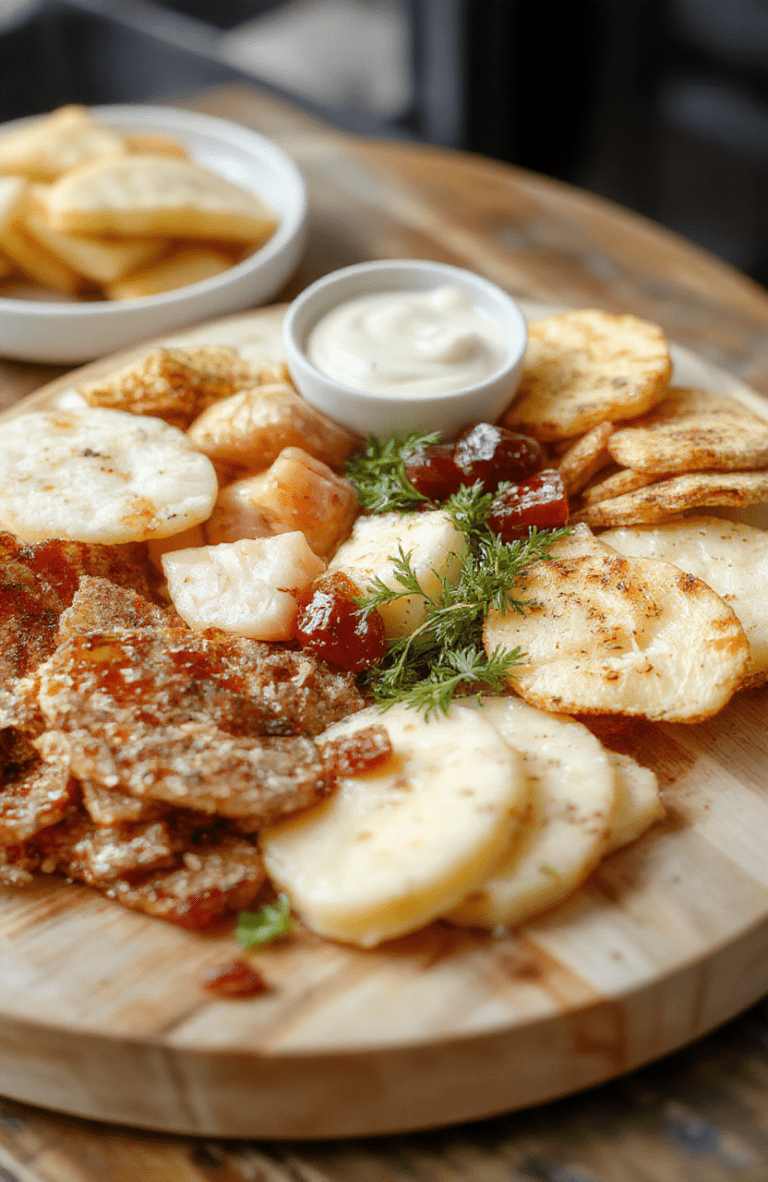
Beginner Charcuterie Board
An approachable, no-fuss charcuterie board ideal for beginners—just assemble, don’t cook!
- Total Time: 15 minutes
- Yield: 6–8 servings 1x
Ingredients
- 8 oz. semi-hard cheese (e.g., aged cheddar)
- 8 oz. soft cheese (e.g., brie or triple cream)
- 6 oz. semi-soft cheese (e.g., gouda or fontina)
- 4 oz. cured meat (e.g., prosciutto, salami, or ham)
- 1 cup red grapes, halved
- ½ cup mixed olives
- ¼ cup dried figs, quartered
- ¼ cup walnuts or almonds, roughly chopped
- 2 tbsp honey
- 12–16 crackers (e.g., water crackers or baguette slices)
- Fresh rosemary or thyme sprigs for garnish (optional)
Instructions
- Arrange cheeses: Place each cheese type at spaced intervals on a large wooden board or platter.
- Add meats: Fold or roll prosciutto; fan or fan-fold salami near cheeses.
- Fruit & nuts: Scatter grapes, figs, and nuts in small clusters around the board.
- Drizzle & garnish: Lightly drizzle honey over softer cheeses; add herbs if desired.
- Fill gaps: Tuck crackers into empty spaces and serve immediately.
Notes
- Label cheeses with small chalkboard stickers if serving guests with dietary preferences.
- Bring cheeses to room temperature 30–60 minutes before serving for best flavor.
- Leftovers (if any!) keep wrapped in fridge for 3–4 days.
- Prep Time: 15 minutes
- Cook Time: 0 minutes
- Method: Assembly only
- Cuisine: French-inspired
- Diet: Non-Diet Friendly
Nutrition
- Serving Size: 1/8 of board
- Calories: 310 Kcal
- Sugar: 7g
- Sodium: 420mg
- Fat: 22g
- Saturated Fat: 10g
- Unsaturated Fat: 9g
- Trans Fat: 0g
- Carbohydrates: 16g
- Fiber: 2g
- Protein: 14g
- Cholesterol: 45mg